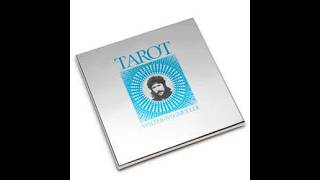
Walter Wegmüller – Tarot (Full Album) 1973
Description: Walter Wegmüller – Tarot (1973)
Krautrock, Cosmic Psychedelia and Experimental Progressive Rock
Walter Wegmüller was a Swiss painter and storyteller whose fascination with symbolism, mythology and the tarot brought him into an extraordinary meeting with the German psychedelic underground. Born in Bern in 1937 and later based in Basel, he approached this project through the imagination of a visual artist. Tarot became a musical extension of his artwork, transforming the twenty-two cards of the Major Arcana into a journey through sound, spoken narration and collective performance.
The album grew from the connections surrounding Timothy Leary and the ambitious musical projects organized by Rolf-Ulrich Kaiser. Wegmüller's tarot paintings supplied the central idea, while musicians associated with Ash Ra Tempel, Wallenstein and the psychedelic folk scene supplied its musical language. This gathering brought several different approaches together: exploratory electric guitar, expansive keyboards, acoustic textures, strong rhythms and the emerging possibilities of electronic music.
Recorded in December 1972 at Dierks Studios in Stommeln, Germany, Tarot appeared as a double album in 1973. The studio setting allowed the musicians to combine their individual styles around Wegmüller's concept. His German-language voice provides a narrative presence, introducing the imagery and ideas of the cards while leaving considerable space for the instrumental ensemble. The record unfolds as a sustained experience, with its twenty-two sections forming a larger passage through the tarot's symbolic world.
The original presentation connected the music directly with Wegmüller's visual work. Tarot cards and accompanying material made the release something listeners could explore through both sight and sound. That relationship is central to the project: the artwork supplies its framework, the narration supplies a human guide, and the musicians create the shifting environments through which that guide travels. It is an album conceived around a complete artistic idea rather than a collection assembled from unrelated recordings.
The ensemble included Manuel Göttsching and Hartmut Enke, whose work with Ash Ra Tempel helped establish the exploratory side of German psychedelic rock. Klaus Schulze brought electronic experimentation, while Jürgen Dollase and Harald Grosskopf contributed the keyboard and rhythmic experience associated with Wallenstein. Walter Westrupp and Jerry Berkers added further instrumental voices. These musicians gave the project a breadth that moves well beyond any single band's usual sound.
Tarot occupies the meeting point between progressive rock, psychedelia, electronic exploration and cosmic folk. Its musical character ranges from grounded, energetic ensemble playing to passages that seem suspended in space. Guitar and keyboards share the foreground, while bass and percussion can anchor the music or help carry it into more open territory. Wegmüller's spoken delivery reinforces the atmosphere of a strange ceremony, but the instrumental passages remain an equally important part of the experience.
The record reflects a period when musicians were treating the studio as a place to investigate forms beyond conventional song structures. Here, storytelling and instrumental development work together across the length of a double album. The tarot provides continuity without requiring every section to sound alike. Changes in density, rhythm and texture create movement through the larger work, allowing its mystical theme to coexist with the physical force of a rock ensemble.
Tarot remains a striking document of the early-1970s cosmic music scene and an unusual meeting between a painter's symbolic universe and a gathering of adventurous musicians. It captures the desire to connect music, imagination and altered perspectives in one extended work. For this Halloween journey, its occult imagery and otherworldly atmosphere offer a passage into the stranger corners of the sonic landscape.
Musicians
Walter Wegmüller – spoken vocals and texts
Manuel Göttsching – guitar
Hartmut Enke – bass
Klaus Schulze – electronics and keyboards
Jürgen Dollase – keyboards
Harald Grosskopf – drums
Walter Westrupp – guitar and vocals
Jerry Berkers – bass and guitar
Tracklist
1. Der Narr
2. Der Magier
3. Die Hohepriesterin
4. Die Herrscherin
5. Der Herrscher
6. Der Hohepriester
7. Die Entscheidung
8. Der Wagen
9. Die Gerechtigkeit
10. Der Weise
11. Das Glücksrad
12. Die Kraft
13. Die Prüfung
14. Der Tod
15. Die Mäßigkeit
16. Der Teufel
17. Die Zerstörung
18. Die Sterne
19. Der Mond
20. Die Sonne
21. Das Gericht
22. Die Welt
Thank you for joining me on Tales of the Sonic Voyage. If you enjoy these journeys through remarkable music and overlooked recordings, please subscribe, leave a comment and share this album with another listener. Keep listening, keep discovering, and help spread the music. Close description
Krautrock, Cosmic Psychedelia and Experimental Progressive Rock
Walter Wegmüller was a Swiss painter and storyteller whose fascination with symbolism, mythology and the tarot brought him into an extraordinary meeting with the German psychedelic underground. Born in Bern in 1937 and later based in Basel, he approached this project through the imagination of a visual artist. Tarot became a musical extension of his artwork, transforming the twenty-two cards of the Major Arcana into a journey through sound, spoken narration and collective performance.
The album grew from the connections surrounding Timothy Leary and the ambitious musical projects organized by Rolf-Ulrich Kaiser. Wegmüller's tarot paintings supplied the central idea, while musicians associated with Ash Ra Tempel, Wallenstein and the psychedelic folk scene supplied its musical language. This gathering brought several different approaches together: exploratory electric guitar, expansive keyboards, acoustic textures, strong rhythms and the emerging possibilities of electronic music.
Recorded in December 1972 at Dierks Studios in Stommeln, Germany, Tarot appeared as a double album in 1973. The studio setting allowed the musicians to combine their individual styles around Wegmüller's concept. His German-language voice provides a narrative presence, introducing the imagery and ideas of the cards while leaving considerable space for the instrumental ensemble. The record unfolds as a sustained experience, with its twenty-two sections forming a larger passage through the tarot's symbolic world.
The original presentation connected the music directly with Wegmüller's visual work. Tarot cards and accompanying material made the release something listeners could explore through both sight and sound. That relationship is central to the project: the artwork supplies its framework, the narration supplies a human guide, and the musicians create the shifting environments through which that guide travels. It is an album conceived around a complete artistic idea rather than a collection assembled from unrelated recordings.
The ensemble included Manuel Göttsching and Hartmut Enke, whose work with Ash Ra Tempel helped establish the exploratory side of German psychedelic rock. Klaus Schulze brought electronic experimentation, while Jürgen Dollase and Harald Grosskopf contributed the keyboard and rhythmic experience associated with Wallenstein. Walter Westrupp and Jerry Berkers added further instrumental voices. These musicians gave the project a breadth that moves well beyond any single band's usual sound.
Tarot occupies the meeting point between progressive rock, psychedelia, electronic exploration and cosmic folk. Its musical character ranges from grounded, energetic ensemble playing to passages that seem suspended in space. Guitar and keyboards share the foreground, while bass and percussion can anchor the music or help carry it into more open territory. Wegmüller's spoken delivery reinforces the atmosphere of a strange ceremony, but the instrumental passages remain an equally important part of the experience.
The record reflects a period when musicians were treating the studio as a place to investigate forms beyond conventional song structures. Here, storytelling and instrumental development work together across the length of a double album. The tarot provides continuity without requiring every section to sound alike. Changes in density, rhythm and texture create movement through the larger work, allowing its mystical theme to coexist with the physical force of a rock ensemble.
Tarot remains a striking document of the early-1970s cosmic music scene and an unusual meeting between a painter's symbolic universe and a gathering of adventurous musicians. It captures the desire to connect music, imagination and altered perspectives in one extended work. For this Halloween journey, its occult imagery and otherworldly atmosphere offer a passage into the stranger corners of the sonic landscape.
Musicians
Walter Wegmüller – spoken vocals and texts
Manuel Göttsching – guitar
Hartmut Enke – bass
Klaus Schulze – electronics and keyboards
Jürgen Dollase – keyboards
Harald Grosskopf – drums
Walter Westrupp – guitar and vocals
Jerry Berkers – bass and guitar
Tracklist
1. Der Narr
2. Der Magier
3. Die Hohepriesterin
4. Die Herrscherin
5. Der Herrscher
6. Der Hohepriester
7. Die Entscheidung
8. Der Wagen
9. Die Gerechtigkeit
10. Der Weise
11. Das Glücksrad
12. Die Kraft
13. Die Prüfung
14. Der Tod
15. Die Mäßigkeit
16. Der Teufel
17. Die Zerstörung
18. Die Sterne
19. Der Mond
20. Die Sonne
21. Das Gericht
22. Die Welt
Thank you for joining me on Tales of the Sonic Voyage. If you enjoy these journeys through remarkable music and overlooked recordings, please subscribe, leave a comment and share this album with another listener. Keep listening, keep discovering, and help spread the music. Close description