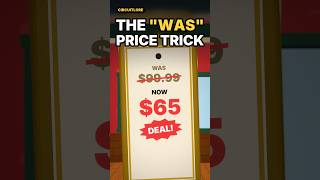
How a "Was" Price Gets Made
Description: This toy cost $65. Its sale price was also $65. In between, the price went up to $99.99.
The number that sells a deal is the "was" price: you judge the gap, not the price. US guidance says a former price must be a real price, openly offered for a substantial time. But a 2025 study that tracked 25 big chains for 24 weeks found 21 of them advertised sale prices more than half the time, and WalletHub's November 2026 check found about 38% of Black Friday items offered no real saving. Before you buy, open the price history.
The toy example comes from NBC News' tracking of 178 items around a July 2025 sale; retailers disputed parts of that analysis. The WalletHub figure compares Black Friday ad prices with earlier Amazon prices. The shop, toy and tags shown are illustrations. CircuitLore's narrator is an AI voice.
SOURCES
- NBC News, 13 Jul 2025: https://www.nbcnews.com/business/consumer/amazon-prime-day-walmart-deals-discounts-rcna218040
- FTC Guides Against Deceptive Pricing, 16 CFR 233.1: https://www.law.cornell.edu/cfr/text/16/233.1
- Consumers' Checkbook, "Sale Fail", 3 Nov 2025: https://www.checkbook.org/national/sale-fail/
- WalletHub, 20 Nov 2026: https://wallethub.com/edu/best-worst-items-for-black-friday/16901
CircuitLore: the strange true stories and hidden machinery behind the tech you use.
#BlackFriday #CyberMonday #Shopping Close description