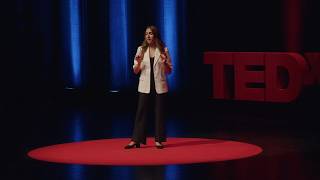
Are we too comfortable to be happy and healthy? | Beatriz Subtil | TEDxLisboa
Description: NOTE FROM TED: Please do not look to this talk for health advice. This talk only represents the speaker's personal views and understanding of stress, evolutionary biology, and health. Several claims warrant further scientific investigation. We've flagged this talk because it falls outside the content guidelines TED gives TEDx organizers. TEDx events are independently organized by volunteers. The guidelines we give TEDx organizers are described in more detail here: http://storage.ted.com/tedx/manuals/tedx_content_guidelines.pdf
We live in the safest, most convenient time in history, yet chronic lifestyle diseases are on the rise. Scientist Beatriz Subtil examines the paradigm of evolutionary mismatch and explains how our ancient bodies are not equipped to thrive in a modern world of comfort and safety. While we cannot change our evolutionary past, we can actively influence our biological future. Through four evidence-based habits—movement, breath, environment, and connection—Beatriz explains how we can build physical resilience, restore biological flexibility, and find harmony in a chaotic, hyper-stimulating world.
Beatriz Subtil has a PhD in Biomedical Sciences from Radboud University, where she researched cancer and the biological mechanisms associated with health and disease. Throughout her scientific career, she deepened the understanding that chronic diseases are complex and increasingly oriented towards personalization.
Convinced that prevention is more universal, sustainable, and transformative, she switched from the laboratory to science communication, with the aim of bringing scientific knowledge closer to people and promoting health literacy.
She is the founder of the Subtilmente Project, through which she integrates scientific rigor with practical tools to help people and organizations understand the dysregulation of the nervous system in the context of the modern world, deal with stress, and regain balance and health. She shares this work through lectures, workshops, podcasts and articles published in media such as Público, Expresso, Visão, Human Resources Portugal and Executiva. This talk was given at a TEDx event using the TED conference format but independently organized by a local community. Learn more at https://www.ted.com/tedx Close description
We live in the safest, most convenient time in history, yet chronic lifestyle diseases are on the rise. Scientist Beatriz Subtil examines the paradigm of evolutionary mismatch and explains how our ancient bodies are not equipped to thrive in a modern world of comfort and safety. While we cannot change our evolutionary past, we can actively influence our biological future. Through four evidence-based habits—movement, breath, environment, and connection—Beatriz explains how we can build physical resilience, restore biological flexibility, and find harmony in a chaotic, hyper-stimulating world.
Beatriz Subtil has a PhD in Biomedical Sciences from Radboud University, where she researched cancer and the biological mechanisms associated with health and disease. Throughout her scientific career, she deepened the understanding that chronic diseases are complex and increasingly oriented towards personalization.
Convinced that prevention is more universal, sustainable, and transformative, she switched from the laboratory to science communication, with the aim of bringing scientific knowledge closer to people and promoting health literacy.
She is the founder of the Subtilmente Project, through which she integrates scientific rigor with practical tools to help people and organizations understand the dysregulation of the nervous system in the context of the modern world, deal with stress, and regain balance and health. She shares this work through lectures, workshops, podcasts and articles published in media such as Público, Expresso, Visão, Human Resources Portugal and Executiva. This talk was given at a TEDx event using the TED conference format but independently organized by a local community. Learn more at https://www.ted.com/tedx Close description