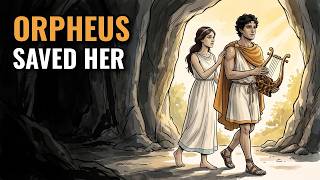
Before Virgil, Orpheus Never Looked Back
Description: Before Virgil, no surviving text has Orpheus look back at Eurydice. Four centuries earlier, Athens believed his song could bring her back from the dead.
Five versions of Orpheus, oldest first: from a stone carving at Delphi (c. 560 BC) through Euripides and Plato to Virgil's Georgics and Ovid's Metamorphoses.
Chapters
0:00 No look-back before Virgil
1:00 Version one: no wife, 6th century BC
2:34 Version two: Athens, 5th century BC
5:30 Version three: Plato, c. 380 BC
7:46 Version four: Virgil, 29 BC
10:51 Version five: Ovid, c. AD 8
13:52 Finale
14:57 Next time
Sources (primary texts and objects)
- Metope of the Sikyonian monopteros, Delphi Museum (Argo; Orpheus with lyre, named), c. 560 BC
- Ibycus fr. 306 PMG; Simonides fr. 567 PMG; Pindar, Pythian 4.176–177 (462 BC)
- Attic red-figure vases with the death of Orpheus (Met 96.9.37; Louvre G 416; MFA Boston 90.156), c. 480–450 BC
- [Eratosthenes], Catasterismi 24, citing Aeschylus' lost Bassarids
- Euripides, Alcestis 357–362 (438 BC)
- Isocrates, Busiris 8 (c. 390 BC)
- Plato, Symposium 179b–d (c. 380 BC)
- "Orpheus relief" (Hermes, Eurydice, Orpheus), Roman copies of a Greek original of c. 420 BC (Naples, Louvre, Villa Albani)
- Hermesianax, Leontion fr. 7 Powell (Athenaeus 13.597b)
- Lament for Bion 123–126
- Diodorus Siculus 4.25.2–4
- Virgil, Georgics 4.453–527 (29 BC)
- Ovid, Metamorphoses 10.1–85 and 11.1–66 (c. AD 8)
Scholarship: Genevieve Liveley, "Orpheus and Eurydice", in A Handbook to the Reception of Classical Mythology (2017); Timothy Gantz, Early Greek Myth (1993).
Music: Komiku — "Ambiant Truth" (CC0 1.0).
Visuals and narration voice are AI-generated; script, research and fact-check by The Oldest Version.
#Orpheus #GreekMythology #TheOldestVersion Close description